Basic Paper
Printable Isometric Graph Paper
Printable isometric graph paper with lines at 30° for drawing cubes, buildings and objects in 3D. Choose a full triangle grid or isometric dots, and set the spacing you need.
What you can customize
- Spacing
- Style
Works well in
- Traveler's Notebook Passport
- A6
- Traveler's Notebook Regular
- B6 (JIS)
- A5
- US Half Letter
- B5 (ISO)
- A4
- US Letter
All page sizes, from Passport to A4
Try it in another style
Start from a preset
- Isometric paper, US Letter A 5 mm triangle grid for 3D sketches and technical drawing. Open in the maker →
- Isometric paper, A4 The same grid on A4. Open in the maker →
- Isometric dot notebook, A5 Isometric dots that stay out of the way, printed as a booklet. Open in the maker →
- Large 10 mm isometric grid, US Letter Bigger triangles for students, quilting and game maps. Open in the maker →
Isometric lines or dots
The isometric template fills the page with vertical lines and diagonals at 30°, so lines run in three directions that match the three visible faces of a cube. You can change:
- Style: full lines forming equilateral triangles, or dots at each grid point.
- Spacing: 3 to 15 mm, the side length of each triangle.
Trace along the lines to draw blocks, rooms, packaging, Lego builds or level maps; the grid keeps every angle consistent. Mix isometric pages with blank or dot grid pages in one notebook, and add a cover and page numbers.
How to print isometric graph paper
- For loose sheets, use the Letter or A4 preset and choose Download PDF → Reading order.
- For a sketch notebook, use the A5 preset and choose Print-ready booklet. Print double-sided (flip on the short edge), fold and staple.
- Print at 100% (Actual size) so the spacing matches what you set.
Free sample PDFs
Print at 100% (actual size). Made with the same engine as the maker, so the spacing is exact.
Frequently asked questions
What is isometric paper used for?
It helps you draw three-dimensional objects without perspective: cubes, buildings, furniture, product sketches and pixel-art style game maps. It is also used in math classes for 3D shapes and in quilting for triangle and diamond patterns.
Should I choose isometric lines or dots?
Lines make it easy to follow the three axes and suit beginners and technical drawings. Dots are lighter and look cleaner when you ink a finished drawing, which many sketchers and bullet journalers prefer.
What spacing should I use?
5 mm is a good default for sketching. Use 8–10 mm for children, classroom work and large diagrams, and 3–4 mm for detailed drawings. The spacing can be set from 3 to 15 mm in half-millimeter steps.
How do I print isometric paper correctly?
Print at 100% or Actual size so the spacing stays exact. For a sketchbook, choose a notebook size such as A5 and download a print-ready booklet, then fold and staple it.
Related guides
- How to print a booklet double-sidedPrint your notebook PDF at actual size, choose the right duplex setting, and get pages that come out in the right order after folding.
- Calibrate your printer for exact sizesMeasure your printer once so pages print at exactly the right size, find its unprintable margins, and line up the front and back of each sheet.
- Paper sizes, margins and binding allowanceWhich printer paper fits which notebook size, how to set margins and the binding margin, and when to use bleed and creep.
Related templates
-
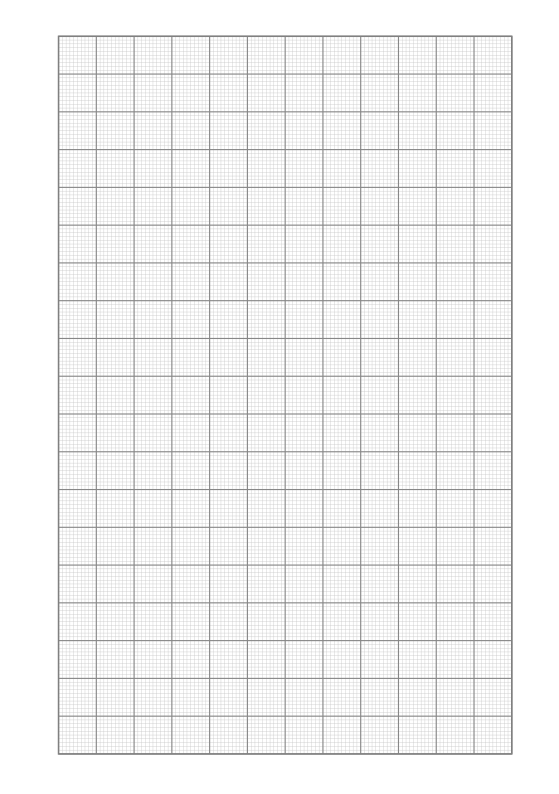
Graph Paper
Engineering graph paper with major and minor lines.
-
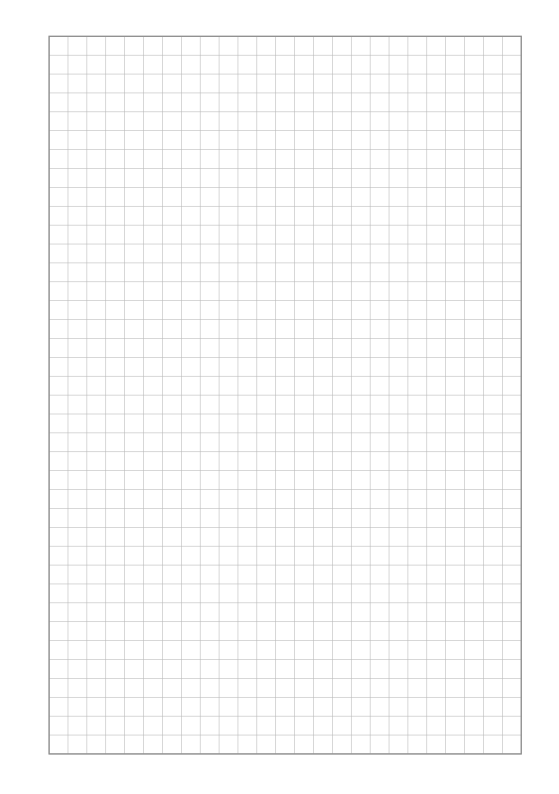
Square Grid
Quad-ruled squares for notes, math and diagrams.
-
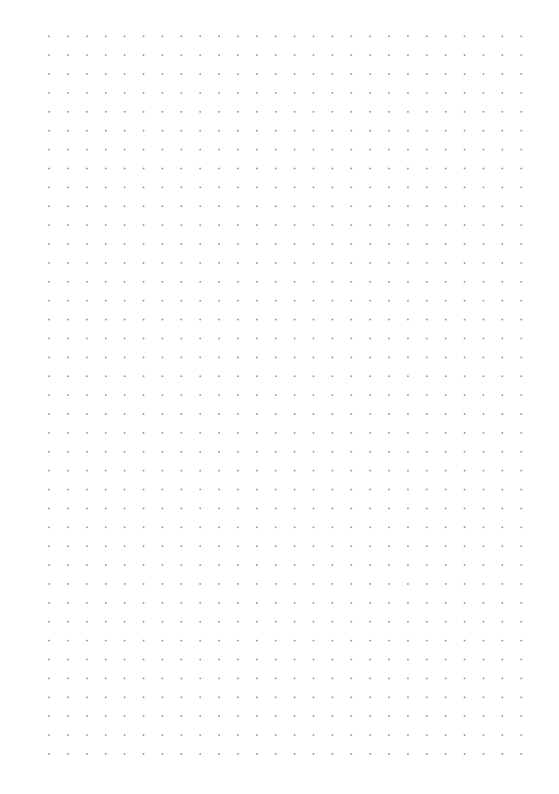
Dot Grid
Evenly spaced dots for bullet journals and sketches.
-
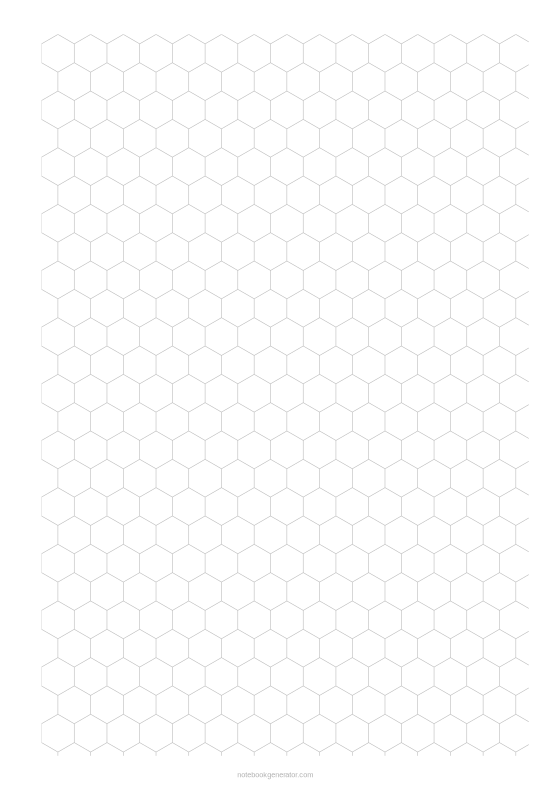
Hexagon Paper
Hex grid for game maps, quilting, chemistry and design.
-
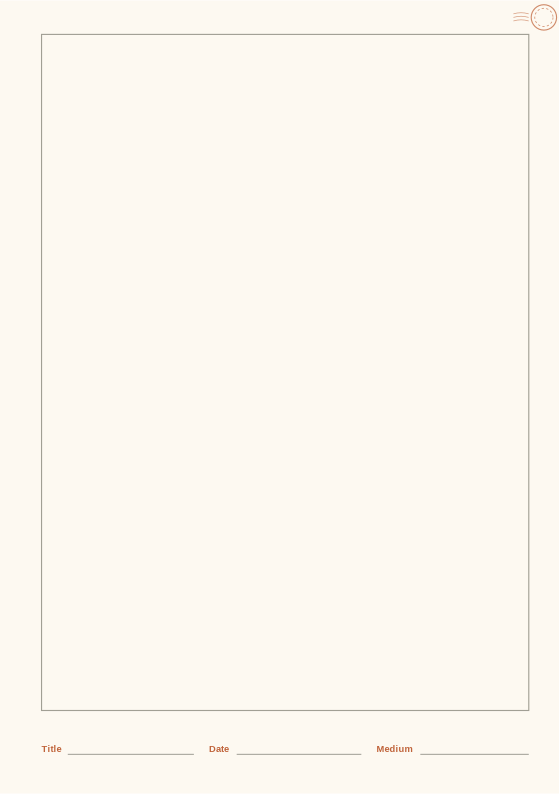
Sketchbook
Framed drawing area with a caption strip.